
Is a Bamboo Toothbrush Right for You? | Eco-Friendly Oral Care Guide





Every morning and night, most of us follow the same simple ritual- brushing our teeth. It feels like such a normal part of daily life that we rarely stop to think about where this habit began. Yet the history of the toothbrush is far more fascinating than most people realise.
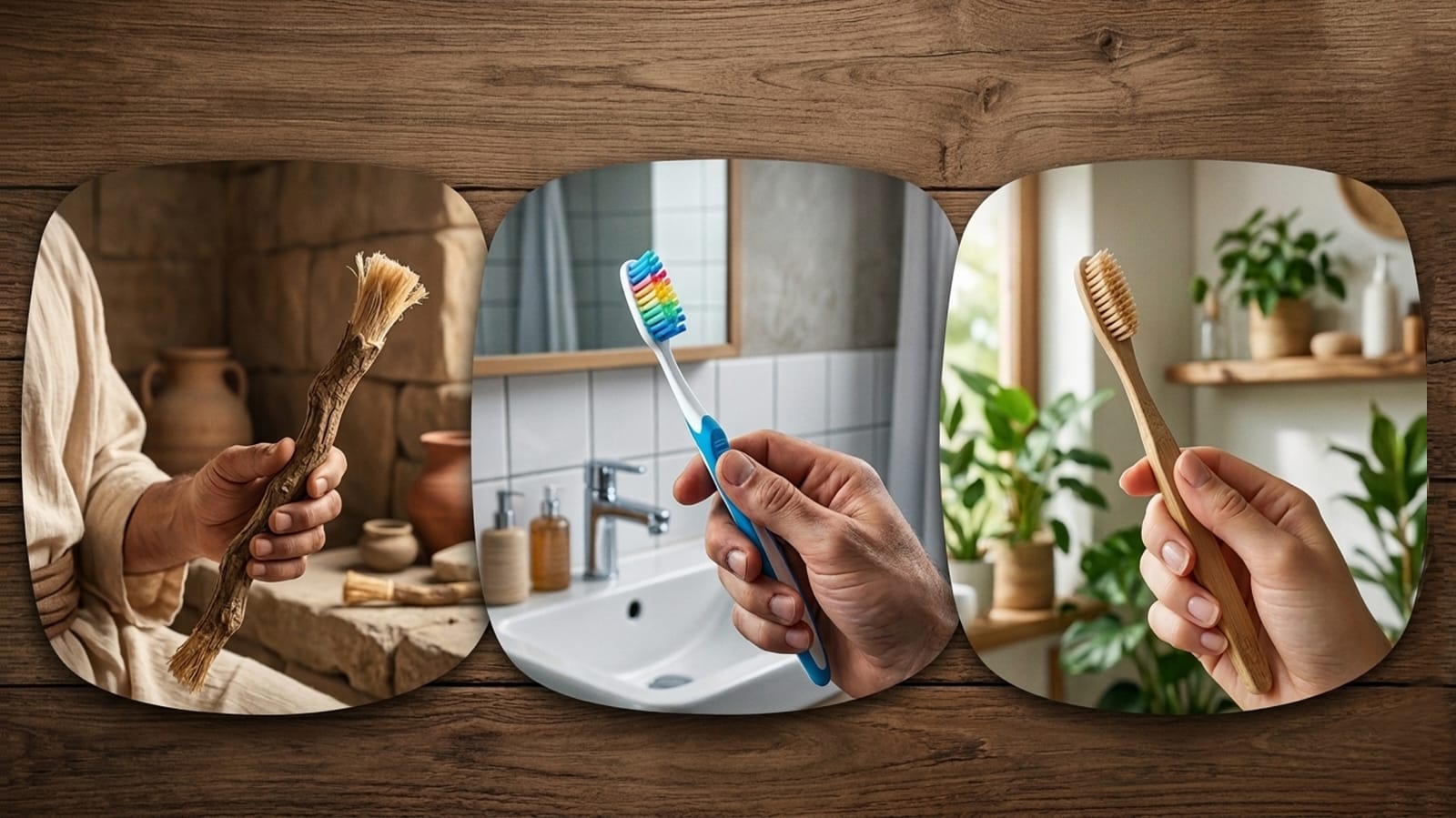
The evolution of the toothbrush spans thousands of years. What began as simple plant twigs used by ancient civilisations has gradually developed into the modern brushes we use today. Interestingly, the story has come full circle, as people are turning back to natural materials like bamboo toothbrushes as part of a more eco-friendly oral care routine.
Understanding this journey reveals how dental hygiene has evolved and why sustainable oral care products are gaining popularity today.
Long before toothpaste and plastic handles existed, people relied on nature to clean their teeth. Early civilisations practised ancient toothbrush methods using small plant twigs known as chewing sticks for teeth.
These sticks were simple but surprisingly effective.
People used them in a practical way:
This technique played an important role in natural oral care history, showing that humans have always looked for ways to maintain dental hygiene.
Some of the most commonly used plants included:
These plants were chosen because many contain natural antibacterial properties. Even today, these natural toothbrush alternatives remain part of traditional oral care routines across parts of Asia, Africa, and the Middle East.
A major milestone in the history and evolution of the toothbrush appeared during the 15th century in China. This is when the first bristle toothbrush was introduced.
Early toothbrushes had a simple yet innovative design:
This development marked an important step in oral care. For the first time, toothbrushes were intentionally designed as dedicated dental tools rather than improvised plant sticks.
However, these early brushes had limitations. Animal hair bristles were often stiff and could trap bacteria. Even so, they represented a major advancement in the evolution of the toothbrush.
By the 20th century, toothbrush design had changed dramatically with the introduction of synthetic materials. Plastic handles and nylon bristles quickly became the global standard.
This innovation brought several advantages:
As a result, modern oral care has become convenient and affordable for millions of people.
However, this convenience created an unexpected environmental challenge.
Dentists recommend replacing toothbrushes every three to four months. While this helps maintain dental health, it also means billions of plastic brushes are discarded every year.
Unfortunately, plastic toothbrushes contribute significantly to environmental pollution.
Some key concerns include:
As awareness about sustainability grows, many people are reconsidering everyday products and searching for plastic-free toothbrush options.
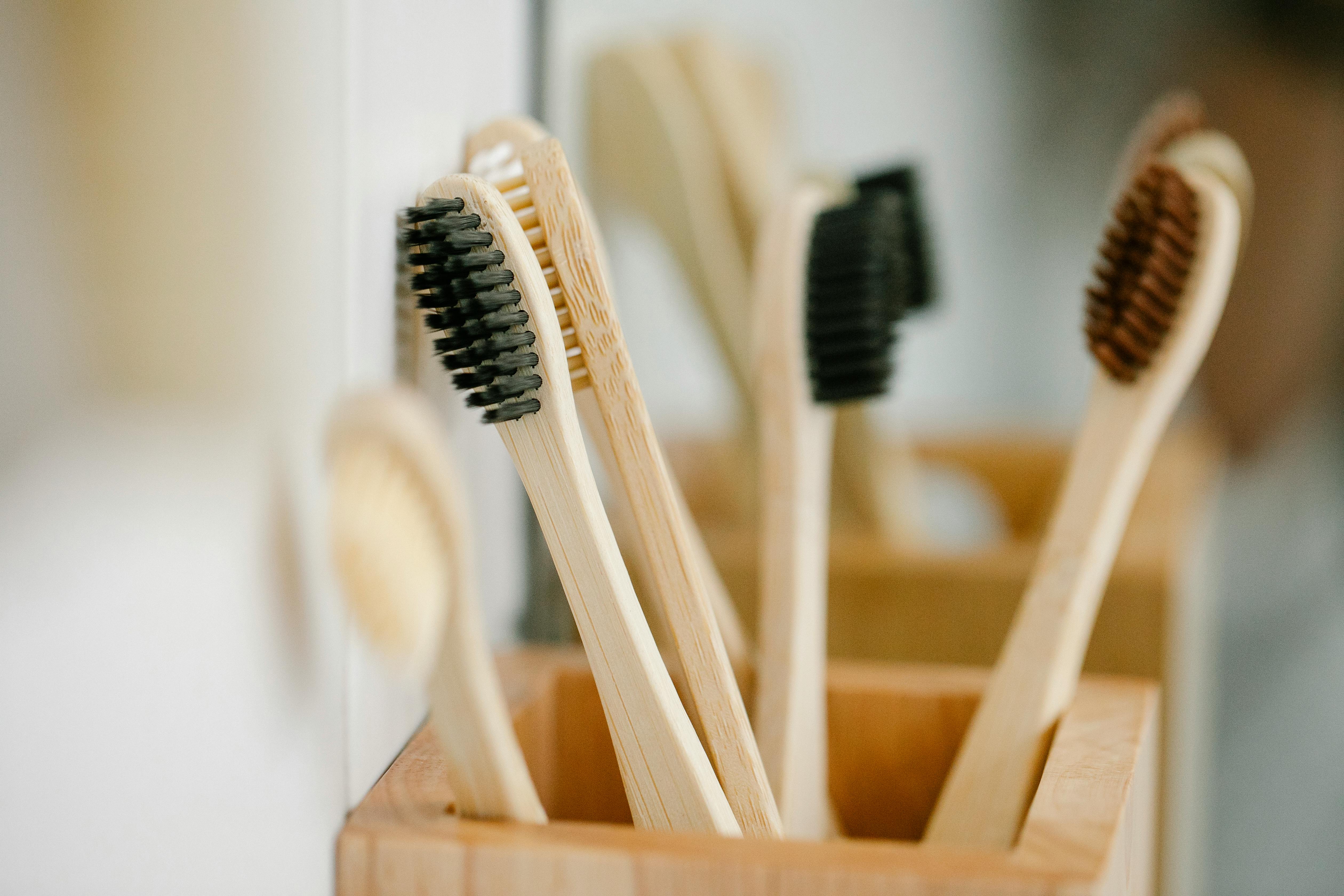
One of the most popular alternatives today is the bamboo toothbrush. It combines modern design with natural materials, making it a leading sustainable toothbrush option.
A biodegradable toothbrush made from bamboo offers several benefits:
These advantages explain why many people are exploring bamboo toothbrush benefits and switching to sustainable oral care products.
Although most bamboo brushes still use nylon bristles, their environmental impact is significantly lower than that of fully plastic brushes. This is why many consumers now compare bamboo toothbrush vs plastic when choosing their next toothbrush.
The evolution of the toothbrush tells a remarkable story of innovation. Humans moved from simple chewing sticks to animal-hair brushes and eventually to mass-produced plastic toothbrushes.
Today, as sustainability becomes a priority, the journey is coming full circle.
Modern options like the eco-friendly toothbrush, biodegradable toothbrush, and bamboo toothbrush reconnect oral care with natural materials- similar to the chewing sticks used thousands of years ago.
In many ways, today’s sustainable solutions prove that sometimes the best innovations are inspired by the past, combining ancient wisdom with modern design to protect both our smiles and the planet.




2 comments